

CORE Festival
Curatorial partner for digital art NABO stage
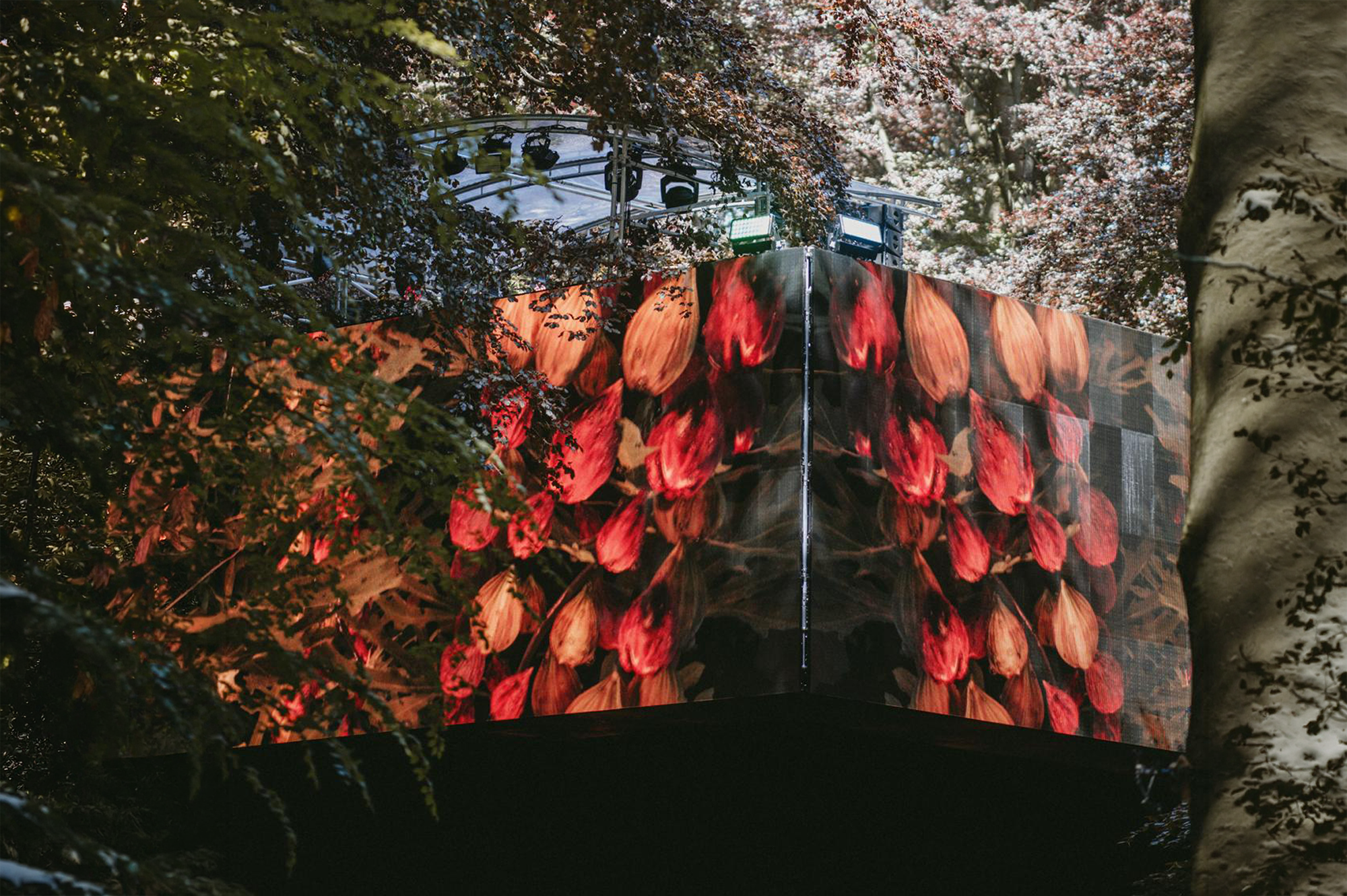
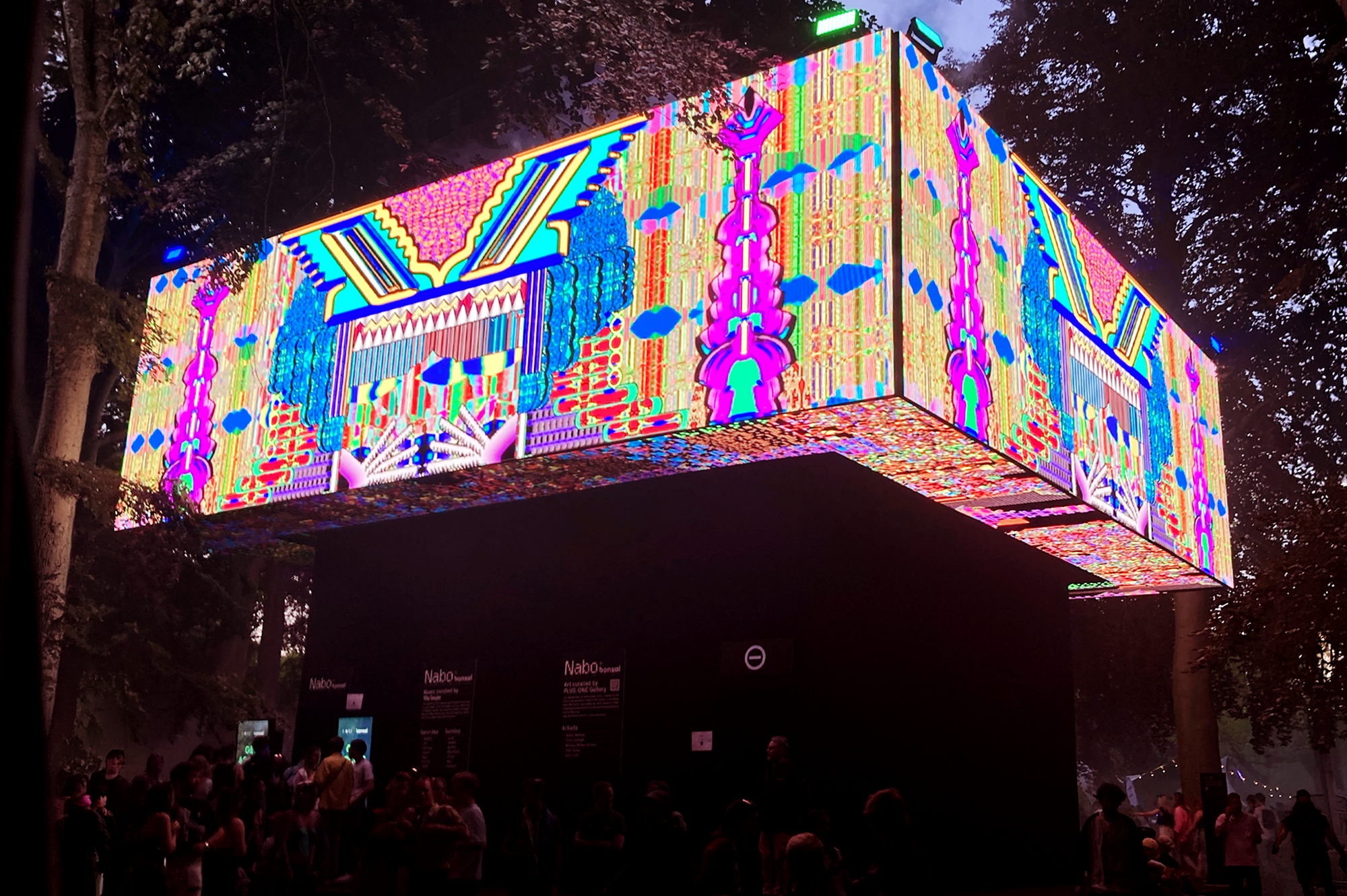
PLUS-ONE Projects collaborated with CORE Festival (by Tomorrowland and Live Nation) as the curatorial partner for digital art on the NABO by Bonsai stage, positioned at the heart of the festival. Together with A.P./Studio and the festival team, we shape a curated open‑air digital art line‑up and a central installation that functions as both visual landmark and gathering point for visitors.



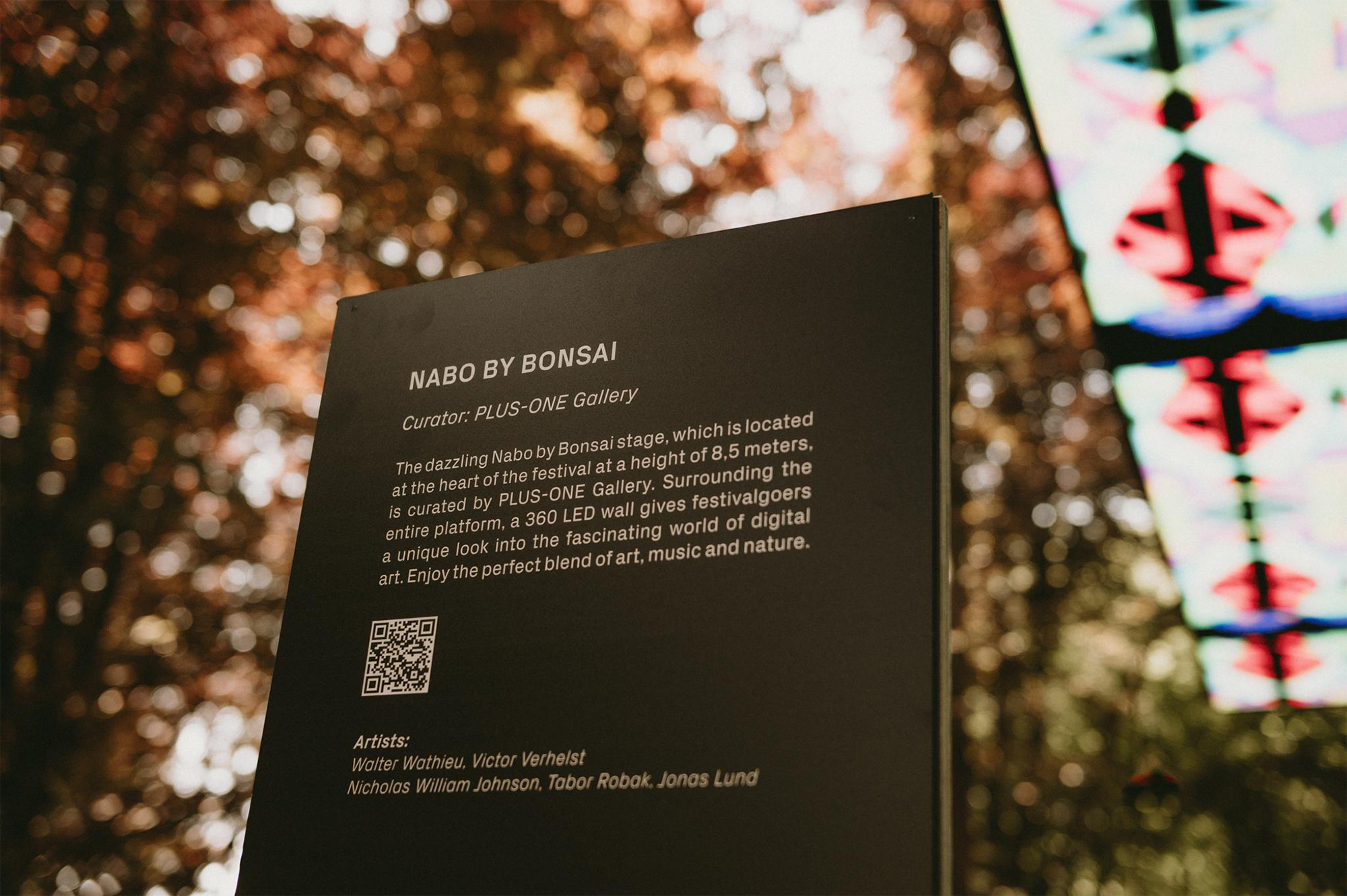





Our role spaned advisory, curation, and artist + production management, working closely with artists; Walter Wathieu, Victor Verhelst, Nicholas William Johnson, Tabor Robak and Jonas Lund, as well as collaborating galleries like Super Dakota and production partners Prismax and Pixelscreen.
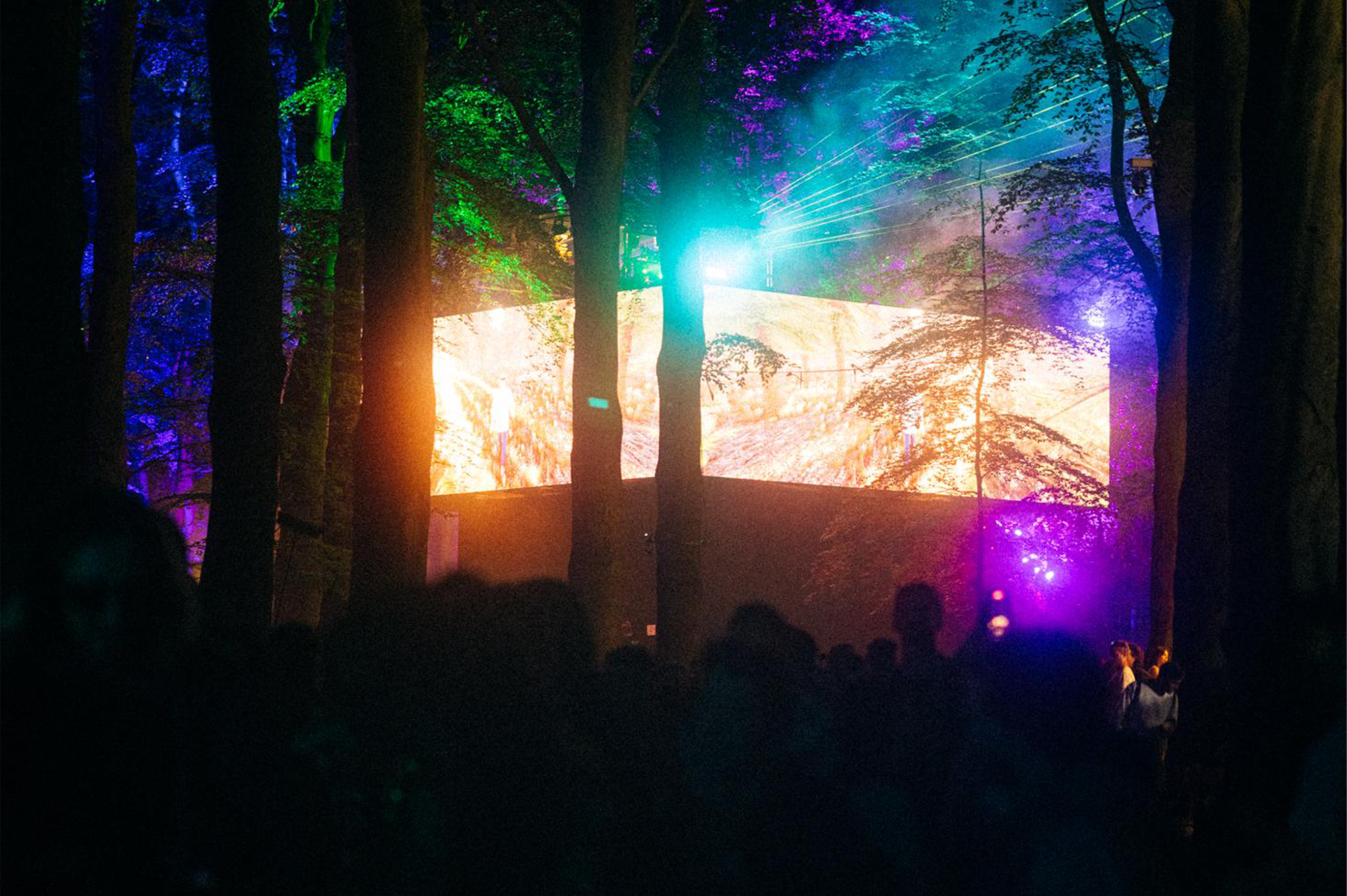
The 360‑degree LED wall surrounding the NABO stage became an immersive canvas where digital artworks, music and architecture merged into a single experience.
In this collaboration, PLUS-ONE operated as a hub for digital and emerging technologies, storytelling and art‑architectural integrations, aligning visual communication with the wider narrative of CORE Festival. We helped Tomorrowland integrate curated digital art into its festival story, creating a space where cutting‑edge visuals, sound and audience encounter reinforce one another rather than compete.
Team
Client: Tomorrowland x Live Nation
Project: CORE Festival
Artists: Walter Wathieu, Victor Verhelst, Nicholas William Johnson, Tabor Robak, Jonas Lund
Tomorrowland team: Filip Teerlinck, Nele Strumane
Cultural direction & artist management: PLUS-ONE Projects & A.P./Studio: Thomas De Ben, Jason Poirier dit Caulier
Special thanks: Super Dakota (Tabor Robak)
LED-screen: PIXELSCREEN
Installation execution & operations: Prismax
Artists highlight
Walter Wathieu
-
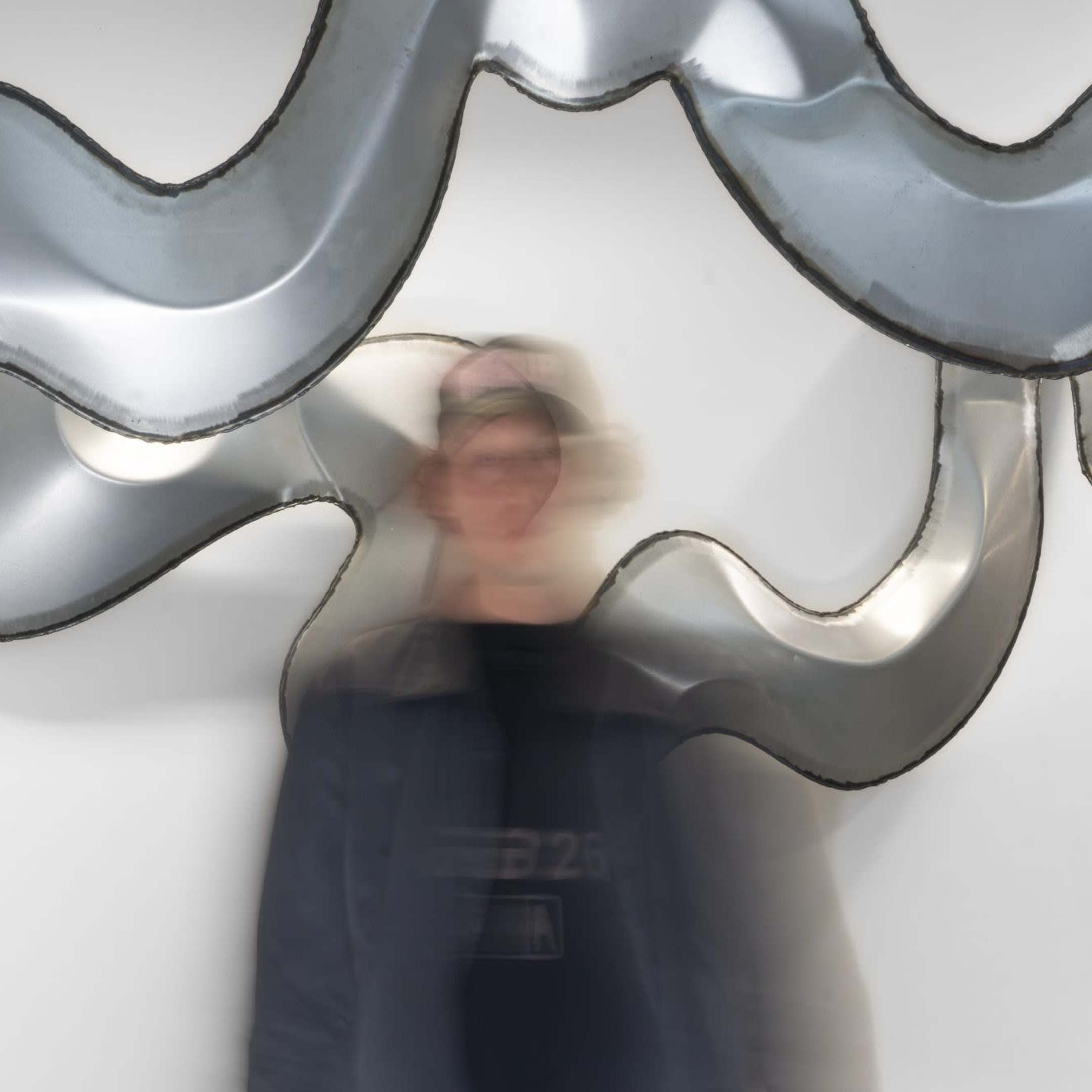
Walter Wathieu (b. 1992, Belgium) is a Belgian artist whose work moves between sculpture, video and algorithmically generated images. Trained in industrial design, he worked in several Belgian studios before developing a practice that tests how technical systems can produce unexpected, organic forms. His projects range from video pieces using surveillance setups to pointillist digital works and hydroformed steel sculptures that swell into biomorphic volumes under water pressure. Across media, Wathieu stages a tension between rigorous control and the acceptance of chance, allowing accidents in process to shape the final work.
His work has been shown at institutions and spaces such as Kanal Centre Pompidou (Brussels), Kunsthal Ghent, PLUS‑ONE Projects, Avee Gallery and Barbé Gallery, and in the artist‑run context of Reset Atelier’s “Somehow we manage” during Art Brussels OFF. In 2020 he founded the artist‑run space Panamax in Liège, dedicated to contemporary art and experimentation.
Victor Verhelst
-
Victor Verhelst (b. 1997, Belgium) is a Belgian visual artist whose multidisciplinary practice moves fluidly between digital image making, print media, textile installation, and interactive technologies.
His work explores the boundaries between the virtual and the physical, examining how digital aesthetics can take on a tangible form.
After cofounding the visual collective Les Monseigneurs, Verhelst left the collective in June 2020 to pursue his independent artistic path.
Since then, he has collaborated on projects for PUBLIEK PARK by Young Friends v/h S.M.A.K. in Ghent, Stroom.TV, in Ostend, Kiosk Radio in Brussels, Permekemuseum in Jabbeke, Europalia, Toneelhuis, Kunsthal Mechelen, CORE Festival, Nuits Sonores, BOZAR, Fedustria, Kunsthaus NRW, Kunsthal Mechelen, Abrupt Festival, BADAFF and many others.
At the core of Verhelst’s autonomous work lies his ongoing digital world building project, which began as the series Trippy Vegas and later evolved into Toxic Hawaii. This growing body of work imagines a hybrid, ever expanding virtual cityscape filled with vivid, hyper saturated architecture and surreal urban spaces. By distorting and layering two dimensional and three dimensional image planes, Verhelst creates chromatic environments where the digital and the physical merge into one another.
Material experimentation plays a central role in his process. His digital canvases often translate into risograph prints, three dimensional objects, wall tapestries, textile works, and immersive installations. Each piece investigates how the immaterial digital image can be reinterpreted through texture, tactility, and spatial experience. Beyond his autonomous practice, Verhelst continues to collaborate with musicians and cultural institutions, designing record sleeves, live visuals, and spatial concepts that extend his visual language into performance and sound.
His recent projects include visuals for Gerard, the musical project of Elias Durnez, and design collaborations with Nele De Gussem, along with immersive textile installations such as Starlight Shine, presented at an international design fair in Frankfurt. Through all of these media, Verhelst reflects on how digital culture shapes perception, emotion, and material reality, turning the light of the screen into a tactile and architectural presence.
Selected list of commissioned graphic works: Bozar, Z33, Young Friends van S.M.A.K., BADAFF, Productiehuis Panenka, Permekemuseum, RESET BXL, Kiosk Radio, Border Buda, Muller Van Severen, Fritz Kola , Viernulvier, Toneelhuis, Wintercircus, Uitgeverij Klein, Uitgeverij Hannibal, Platenlabel Stroom, L.CARAX, ALbe De Coker, Paula Hartmann, Het Entrepot, Stad Brugge, Nuits Sonores, GAFPA, Nele De Gussem, Arkaoda Berlin, Publiek Park, Komplot BXL, LUCA School of Arts, OPAL U.S., Café Costume, Benjamin Abel Meirhaeghe, Woodblocks Festival, Abrupt Festival, Tijl Uilenspiegelmuseum, Elders Collectief, TrendWolves, Kunsthal Mechelen, Proeftuin, Us By Night, Nest Damme.
Selected group exhibitions: C-Mine (Alumni Luca), Hyperlab (exposant + Concert ‘Gerard’), Ontsteking Gent, Mia-H, Wonder, We Are The Next Generation, Kunsthal Gent (Les Monseigneurs),019 (Billboard + Vlag), SPOOR, Talking Textiles New York, Trienal Design Covilhã, Triennale di Milano, Designfest Gent, Designmuseum Gent, Rufus Gallery, Plus-One Projects, Heimtextil Frankfurt, Asfalt Gent, Kunsthaus NRW Aachen (2025).
Selected solo exhibitions: Rufus Gallery, Plus-One Projects, Musei Di Civici, Como, Bruthaus Gallery, Scharpoord Knokke.
Nicholas William Jonhson
-
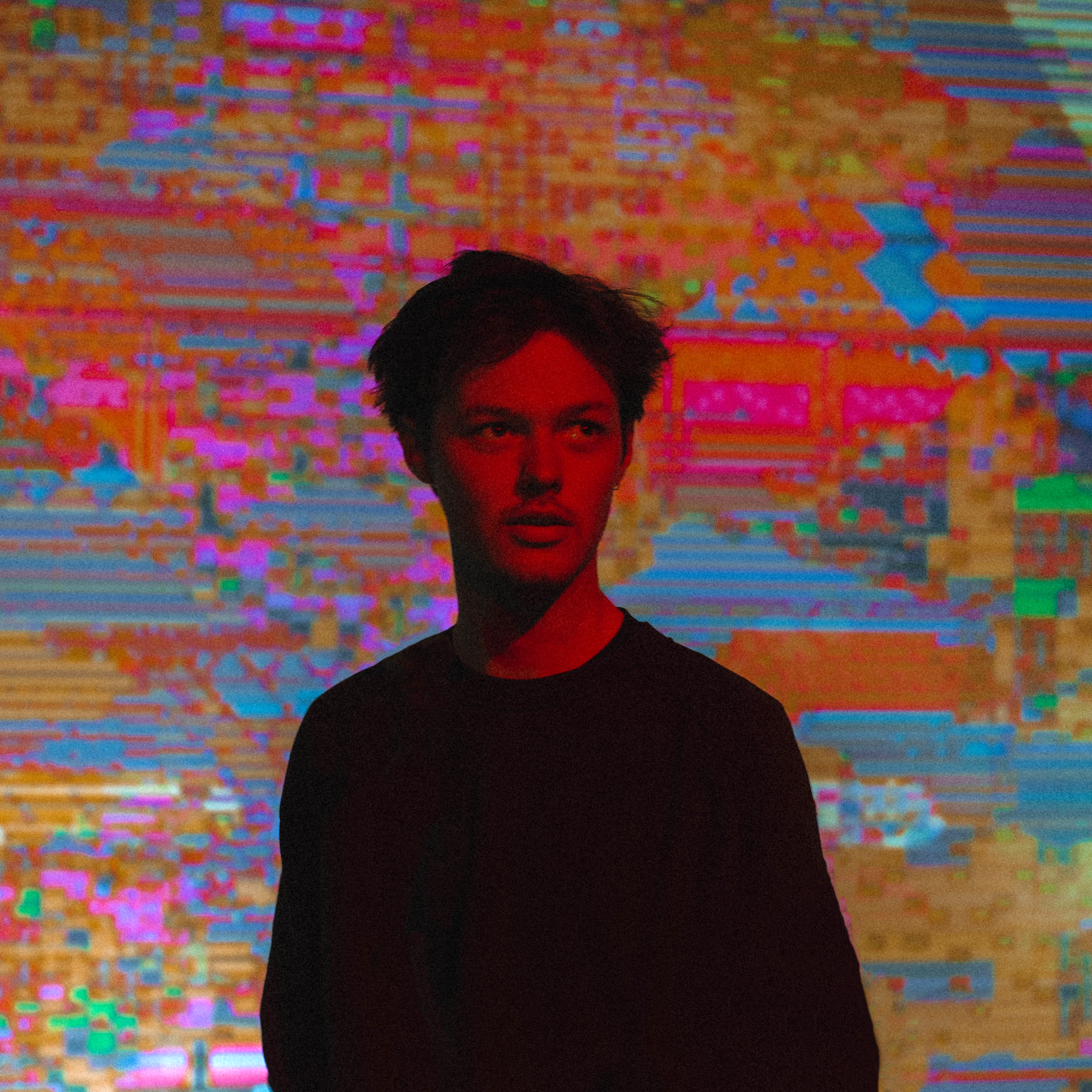
Nicholas William Johnson (b. 1982 Haiti) is a visual artist known for translating digital culture, glitches and compressed image histories into painterly and screen‑based compositions. Working across painting, drawing and digital media, he builds layered surfaces where fragments of online imagery, abstraction and interface aesthetics collide. Johnson’s practice reflects on how screens structure perception, using distortion, repetition and cropping to slow down images that usually circulate at high speed. His work often oscillates between figuration and abstraction, inviting viewers to navigate shifting resolutions and partial recognisability.
Johnson has exhibited with PLUS‑ONE Projects and in group shows within the Antwerp and international contemporary art field, including presentations that foreground a post‑internet sensibility. His works have been shown alongside peers in exhibitions exploring image overload, visual compression and the poetics of digital noise, contributing to a wider discourse on painting and screen‑based vision today.

Tabor Robak
-
Tabor Robak (b. 1986, USA) is an American digital artist recognised as a leading figure in new media and CGI‑driven art. Working with game engines and software such as Unity, After Effects and Cinema 4D, he constructs meticulously rendered virtual environments that feel like hybrids of video games, advertising and speculative worlds. His multichannel video installations and generative works explore digital space as a real, lived environment, using a “desktop screensaver” and “Photoshop tutorial” aesthetic to reflect on consumer culture, interfaces and the blurred line between virtual and physical realities.
Robak has exhibited at major institutions including The Museum of Modern Art and The Metropolitan Museum of Art (New York), Serpentine Galleries (London), Museum of Contemporary Art Chicago, MoMA PS1, Kunsthalle Düsseldorf, Museum of Contemporary Art Tokyo, and the Lyon Biennale. His works are held in public and private collections such as MoMA, Albright‑Knox Art Gallery, DESTE Foundation, Migros Museum and the Yuz Collection, and have been widely discussed in outlets including The New York Times, New York Magazine, The New Yorker and Artforum.

Jonas Lund
-
Jonas Lund (b. 1984, Sweden) creates paintings, sculptures, websites, photographs and performances that critically reflect on networked systems, power structures and the art world itself. His work often takes the form of rule‑based systems or participatory frameworks, where algorithms, voting structures or distributed decision‑making determine outcomes. By using contemporary technologies and online formats, Lund examines authorship, participation, labour and metrics, while playfully exposing how value and visibility are produced in a data‑driven culture.
Lund holds an MA from Piet Zwart Institute (Rotterdam) and a BFA from Gerrit Rietveld Academy (Amsterdam). He has had solo exhibitions at institutions including Francisco Carolinum (Linz), The Photographers’ Gallery and Whitechapel Art Gallery (London), Steve Turner (Los Angeles), Showroom MAMA (Rotterdam) and New Museum (New York). His work has appeared in group shows at Centre Pompidou, ZKM, Vienna Biennale, Witte de With, KINDL and Stedelijk Museum Amsterdam, and is included in collections such as Centre Pompidou, MACBA and the European Central Bank. In 2025 he received the inaugural Prix Arts numériques from Fondation Etrillard and the Académie des beaux‑arts.
